

 Breaking
24 Aug 2026 10:33
Weekly Finance Flash: Gold Nears USD 4,700, LPR Holds, Solid-State Battery Standard Lands
23 Aug 2026 12:50
Finance Flash August 23: Gold Near $4,650, OPEC+ Holds Pace, Cloud Giants Sign Nuclear PPAs
22 Aug 2026 12:49
Finance Flash, August 22: Gold Hits Three-Month High, AIDC Storage Booms, Shanghai Eases Property Policy
21 Aug 2026 12:27
August 21 Finance Flash: Gold ETFs Surge, LPR Holds, AI Energy Funding Booms
20 Aug 2026 12:56
Finance Flash | Aug 20: Unitree Debuts, BoJ Hikes, Oil in Play
21 Aug 2026 16:38
Bitcoin breaks through $77000
14 Aug 2026 10:04
The Norwegian central bank has kept the policy interest rate unchanged at 4.25%, in line with market expectations
13 Aug 2026 17:07
SMIC: Q2 sales revenue of $3.0056 billion
AI Power Demand Forces Energy Build-Out: AIDC Storage and Nuclear Power Become the New Industry Frontier


While the industry still frets over GPU shortages, the real bottleneck has quietly shifted to electricity. Multiple research institutions estimate that a single hyperscale AI data center can exceed 1
The Power Ledger Behind the Compute Boom
While the industry still frets over GPU shortages, the real bottleneck has quietly shifted to electricity. Multiple research institutions estimate that a single hyperscale AI data center can exceed 1 gigawatt of peak power — comparable to the load of a mid-sized city. Training a next-generation trillion-parameter model, for instance, can consume hundreds of millions of kilowatt-hours over its lifecycle. More critically, AI workloads are "bursty": instantaneous inference peaks can be several times the average load, imposing extreme requirements on grid stability and backup capacity. It is this reality — that the end of compute is power — that makes energy infrastructure the most underappreciated yet most certain link in the AI supply chain.
AIDC Storage: From "Backup" to "Revenue Asset"
Traditionally, data-center storage served mainly as UPS backup, but in the AIDC context it is being redefined. On one hand, lithium-battery costs have fallen more than 40% over three years, making large-scale storage economically viable; on the other, wider peak-valley price spreads and maturing grid demand-response mechanisms let storage arbitrage by "charging at troughs, discharging at peaks." Industry estimates suggest a 200 MWh storage-equipped AIDC can save tens of millions of yuan annually through peak shaving and capacity tariffs alone. More advanced players are exploring a "data center + storage + virtual power plant" model, packaging idle compute and power capacity for sale to the grid, turning data centers from pure power consumers into dispatchable flexibility resources.
Nuclear and Renewables: A New Consensus on Zero-Carbon Baseload
On clean baseload, nuclear power is back in capital's sights. Small modular reactors (SMRs), deployable flexibly and couplable near campus-level AIDCs, have become a prize cloud giants are racing to secure. Several cloud providers have signed long-term power purchase agreements (PPAs) with nuclear operators to lock in low-carbon electricity for the next decade. Meanwhile, integrated wind-solar-storage bases are accelerating in inland and coastal regions, supplying traceable zero-carbon power to data centers via "green direct supply + storage peaking." On the regulatory side, multiple countries now make data-center energy efficiency and green-power absorption ratios preconditions for approval, forcing the industry toward decarbonization.
Liquid Cooling and HVDC: The Overlooked "Hidden Champions"
Under high power density, traditional air cooling nears its physical limit, and liquid-cooling penetration is rising fast. Cold-plate liquid cooling is already deployed at scale in mainstream training clusters, while immersion cooling is emerging in ultra-dense scenarios, pushing PUE (power usage effectiveness) below 1.1. The accompanying high-voltage direct-current (HVDC) architecture, versus traditional AC-UPS, cuts multi-stage conversion losses and improves overall efficiency by roughly 5%–8%. These seemingly unglamorous "hidden links" are exactly the cost items that decide whether an AIDC is profitable, and they have spawned a cohort of segment leaders with real technical moats.
Investment Logic: From "Shovel Sellers" to "Power Sellers"
Taken together, the investment thesis for the AI-energy chain is spreading from upstream chip "shovel sellers" to downstream power "sellers" and infrastructure operators. In the near term, storage cells, liquid-cooling solutions and power equipment show the highest order visibility; in the medium term, nuclear PPAs, green direct supply and virtual power plants will reshape data centers' energy mix; in the long term, whoever solves AI's power constraint at the lowest cost and highest stability holds the throat of the next compute-expansion wave. For industry observers, AIDC is no longer merely an IT topic but a systemic transformation sweeping energy, materials and electricity.
Disclaimers
Fin.news
Committed to providing fair and transparent reports. This article aims to provide accurate and timely information, but should not be construed as financial or investment advice. Due to the rapidly changing market conditions, we recommend that you verify the information yourself and consult a professional before making any decisions based on this information.
Related News
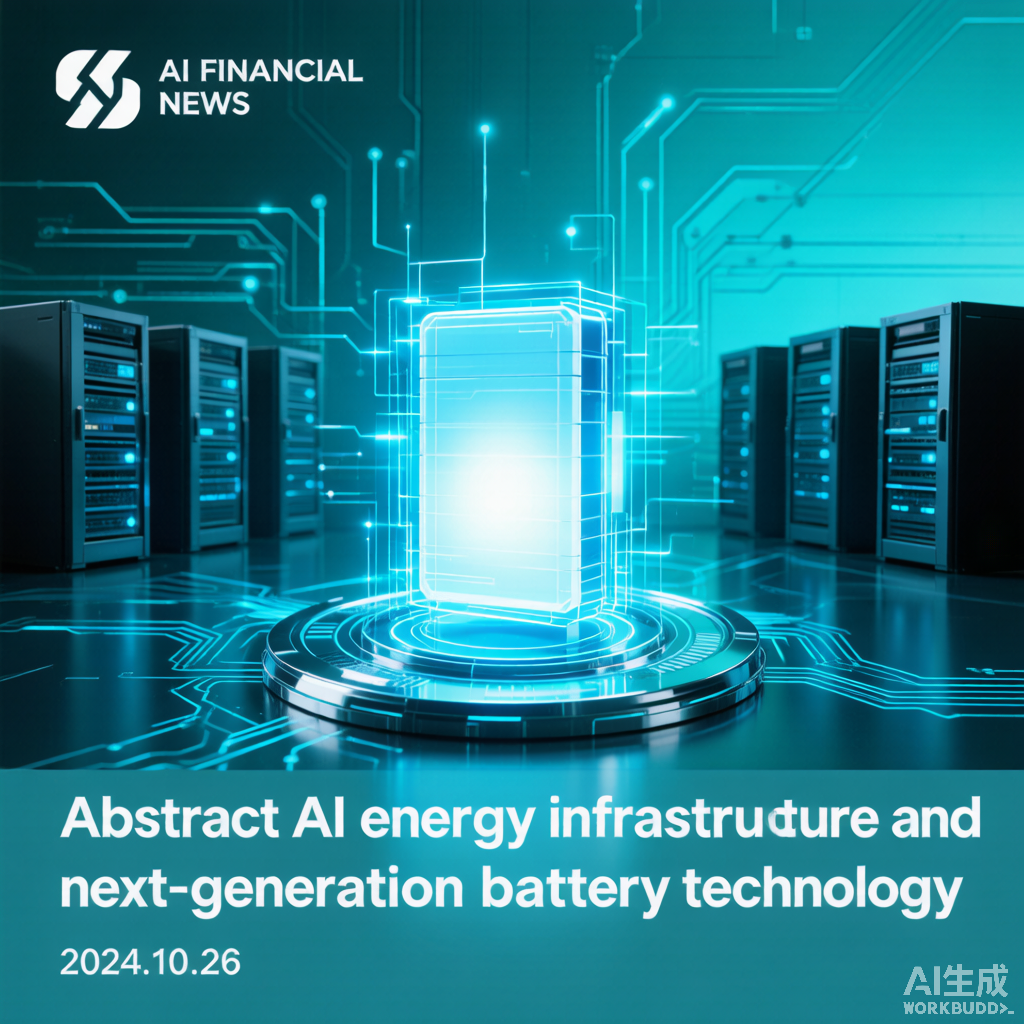
First Global Solid-State Battery Standard Proposed by China; AI Power and Energy Storage Chain Gain Triple Catalysts
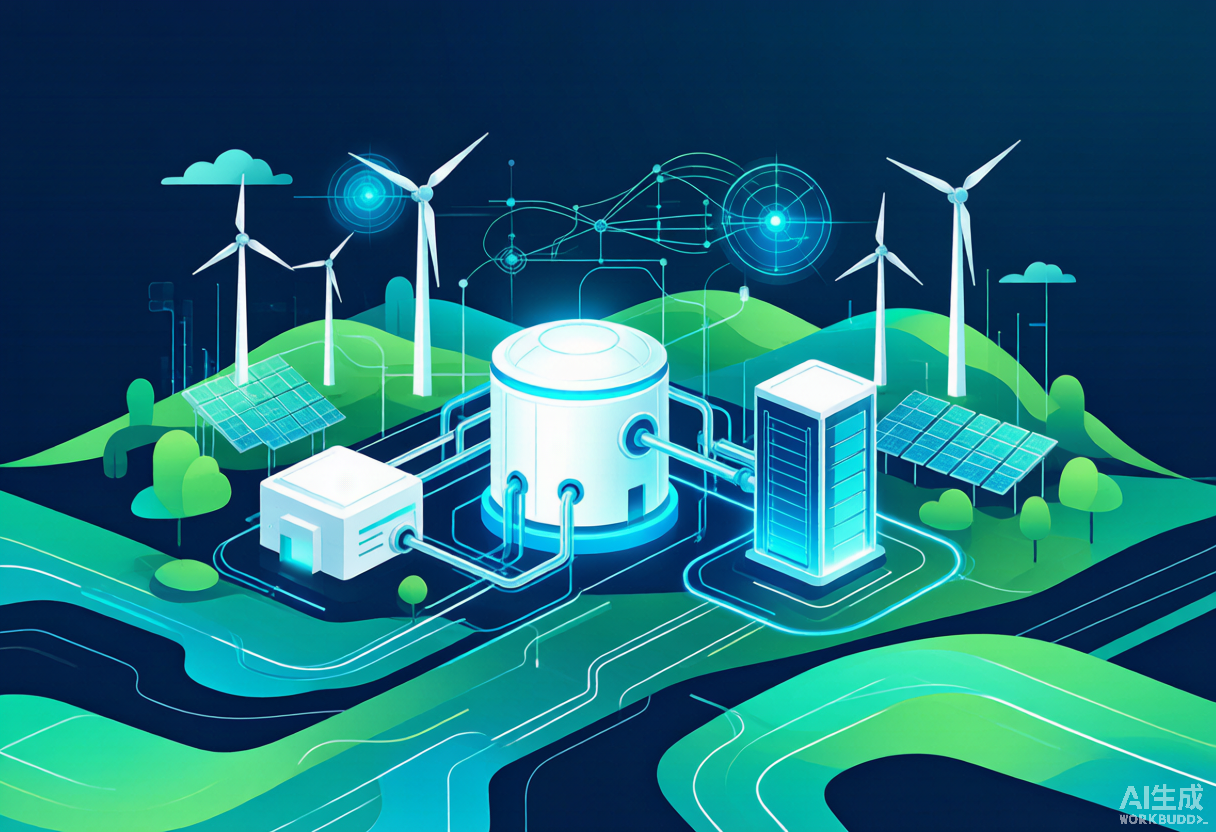
AI Power Demand Forces Energy Build-Out: AIDC Storage and Nuclear Power Become the New Industry Frontier
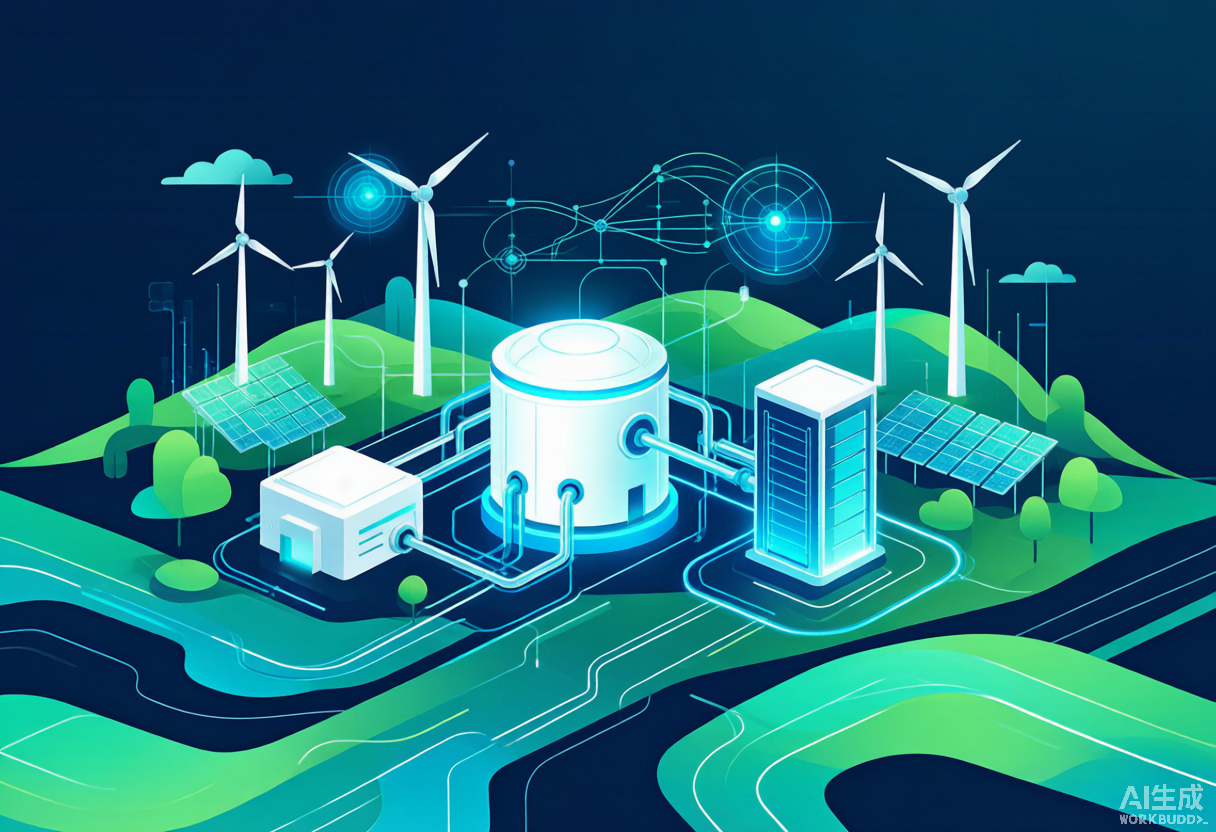
AIDC Energy Storage: The 'Power Bank' Behind the AI Compute Surge
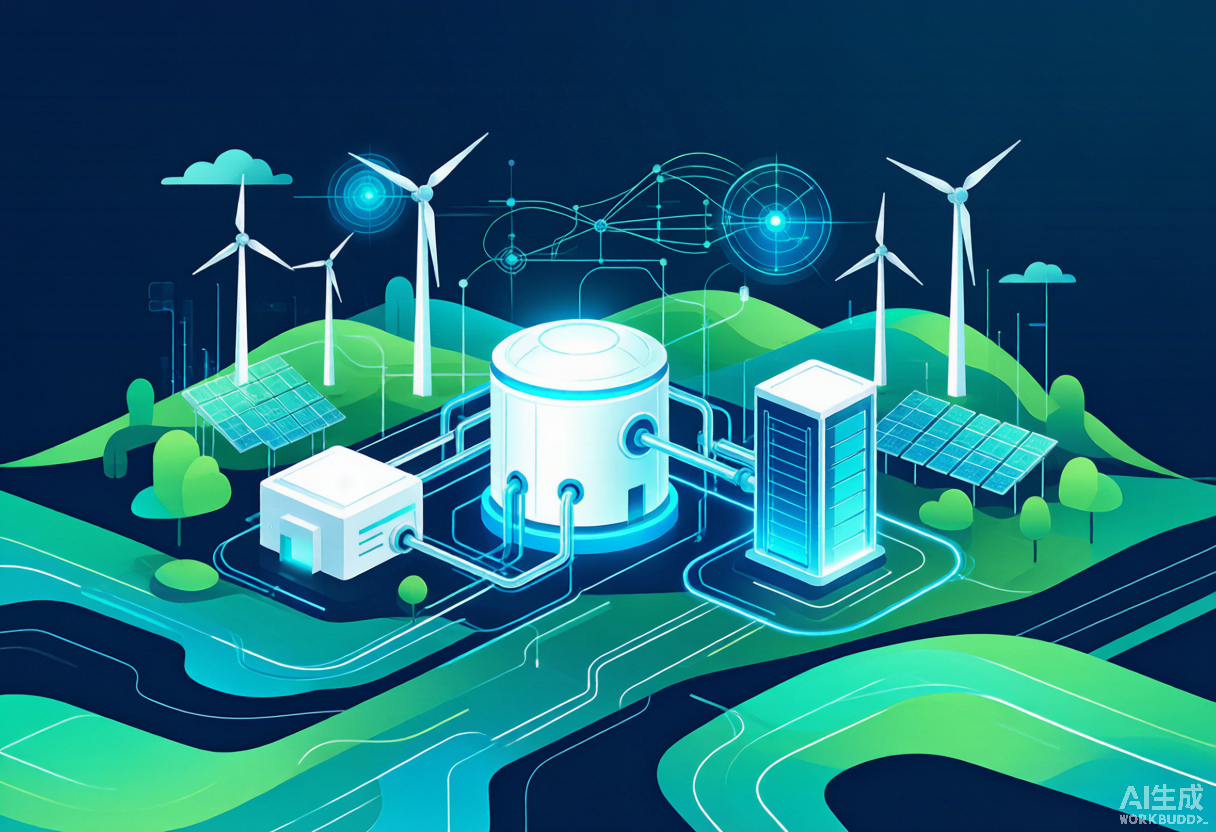
AI Energy Infrastructure: The Next Battleground in the Compute Race